Social media for business has become one of the most powerful ways to connect with customers, showcase expertise, and build brand trust. But with so many platforms available, many businesses—especially SMBs, startups, and entrepreneurs—struggle with one big question:
Which platform should I focus on—Instagram, Facebook, or LinkedIn?
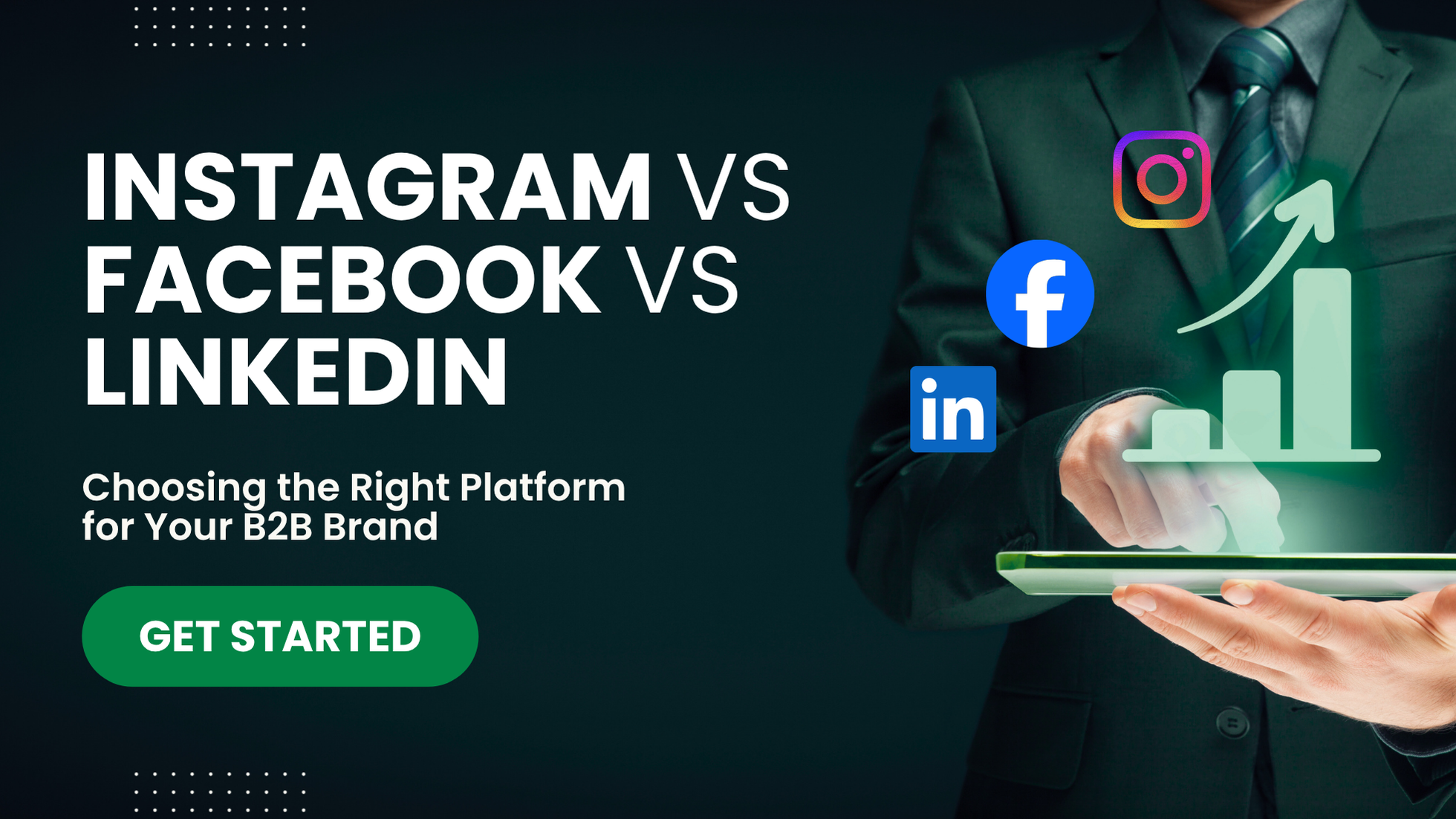
Each platform has unique strengths and weaknesses. Choosing the right one depends on your business goals, audience, and industry. In this guide, we’ll compare Instagram, Facebook, and LinkedIn to help you decide where to invest your time and energy.
Why Social Media for Business Matters
Before comparing platforms, let’s understand why social media for business is non-negotiable today:
- Reach: Over 4.8 billion people use social media globally.
- Trust: Active profiles boost credibility and make businesses more approachable.
- Growth: Social channels drive traffic, leads, and conversions.
Whether you’re an e-commerce store, freelancer, or startup, social media acts as a cost-effective marketing tool to grow your digital presence.
Instagram for Business
Instagram is highly visual and works best for industries where visuals sell.
Strengths of Instagram
- Visual Storytelling: Perfect for e-commerce businesses, lifestyle brands, and startups showcasing products.
- High Engagement: Stories, reels, and posts get quick interactions.
- Influencer Marketing: Easy collaborations with creators to promote products.
- Shoppable Posts: Direct links to product pages for faster conversions.
Best For
- Fashion, travel, food, gaming, fitness, and e-commerce.
- SMBs that rely on visual branding.
- Startups are looking to build awareness quickly.
Challenges
- Limited B2B targeting.
- Requires consistent creative content (photos, videos, reels).
Example: A local bakery or an e-commerce store selling handmade crafts can attract thousands of buyers through Instagram Reels.
Pro Tip: Use Instagram Reels with trending sounds to increase reach without spending heavily on ads.
Facebook for Business
Facebook remains one of the most powerful platforms for social media for business, especially for SMBs.
Strengths of Facebook
- Massive Audience: Over 3 billion users.
- Detailed Targeting: Facebook Ads allow niche targeting by age, location, interests, and more.
- Community Building: Groups and pages help create loyal customer communities.
- Event Promotions: Perfect for webinars, launches, and offers.
Best For
- Local businesses, healthcare, education, travel, and real estate.
- SMBs targeting a mix of B2C and B2B audiences.
- Businesses need paid ads with ROI tracking.
Challenges
- Organic reach is declining—ads are often necessary.
- Requires a strong content strategy to stand out.
Example: A real estate company can run Facebook Ads targeting specific cities, attracting highly qualified leads.
Pro Tip: Post at least 3–4 times a week and engage in comments to maintain visibility.
LinkedIn for Business
LinkedIn is a professional network designed for B2B marketing and personal branding.
Strengths of LinkedIn
- Professional Audience: 900+ million users, mostly business professionals.
- B2B Lead Generation: Great for service providers, consultants, and agencies.
- Thought Leadership: Build authority with articles and long-form posts.
- Recruitment: Attract talent and showcase company culture.
Best For
- Entrepreneurs, freelancers, and startups.
- Businesses in competitive industries like healthcare, finance, real estate, and IT.
- B2B service providers (SEO, web design, consulting).
Challenges
- Lower engagement compared to Instagram.
- Requires professional tone and consistent value-driven posts.
Example: A digital marketing agency sharing case studies and industry insights can attract C-level executives and business owners.
Pro Tip: Use LinkedIn Pulse (article publishing) to share insights and boost authority in your industry.
Comparing Instagram vs. Facebook vs. LinkedIn
Here’s a quick breakdown to help you decide:
| Feature | |||
|---|---|---|---|
| Best For | E-commerce, lifestyle | SMBs, local, B2C + B2B mix | B2B, professional services |
| Content Style | Visuals (photos/videos) | Mixed (text, video, links) | Professional, thought-leadership |
| Ad Targeting | Good for lifestyle | Excellent, highly detailed | Niche, job-based |
| Engagement | High, visual-driven | Medium, group-based | Lower, professional tone |
| Conversions | Fast, impulsive buys | Strong with ads | Long-term relationship-driven |
How to Choose the Right Platform
Define Goals
- Brand awareness → Instagram
- Lead generation → LinkedInCommunity + Ads → Facebook
Know Your Audience
- B2C and e-commerce: Instagram/Facebook
- B2B and services: LinkedIn
Check Your Content Resources
- Visual-heavy content → Instagram
- Versatile mix (videos, text, events) → Facebook
- Professional blogs, insights → LinkedIn
Conclusion: The Smart Way Forward
No single platform fits all businesses. The right choice depends on your industry, target audience, and goals. For social media for business, here’s the golden rule:
- Use Instagram for visuals and fast engagement.
- Use Facebook for ads, community, and reach.
- Use LinkedIn for B2B authority and professional networking.
Instead of choosing just one, many SMBs and startups find success with a mix—Instagram for branding, Facebook for ads, and LinkedIn for leads.
Ready to level up your social media for business strategy? At W3Layouts, we help businesses build websites, improve SEO, and manage social media campaigns that actually work.
Contact us today, and let’s grow your brand together.

Thank you for your sharing. I am worried that I lack creative ideas. It is your article that makes me full of hope. Thank you. But, I have a question, can you help me?
Thank you for your sharing. I am worried that I lack creative ideas. It is your article that makes me full of hope. Thank you. But, I have a question, can you help me?